
Transform Your Space: Steps to Achieve a Cohesive Design that Reflects Your Personality
Most homes don’t feel truly like yours because the design misses a personal touch. Creating a cohesive design that reflects your personality takes more than picking pretty colours—it means crafting personalised spaces where every detail tells your story. With Akura’s bespoke interior design and quality craftsmanship, you can transform your space into a harmonious home that feels uniquely yours. Let’s explore the steps to make that vision a reality. For more inspiration, you can check out this guide on creating a cohesive home design.
Understanding Your Style

To create a space that feels like a true reflection of you, the first step is understanding your personal style. This involves delving into your preferences and finding inspirations that speak to your unique taste.
Identifying Personal Preferences
Start by taking a closer look at what you love. Are you drawn to sleek, modern lines? Or does the warmth of a rustic style speak to you? Perhaps a blend of both feels right. Make a list of colours, patterns, and styles you find appealing. This will be your guide as you move forward.
Spend some time in different rooms of your current home. Notice which areas make you feel comfortable and which don’t. Ask yourself why. Your home should be your personal sanctuary, and each choice should add to your peace and happiness.
Gathering Inspiration and Ideas
Once you have a sense of your preferences, it’s time to gather ideas. Create a mood board with images from magazines or online sources that resonate with you. Websites like Cates Hill can offer insights into finding and refining your style.
Don’t hesitate to explore different styles, even those outside your usual tastes. Sometimes, inspiration comes from the most unexpected places. Keep an open mind, and you might discover new favourites along the way.
Creating a Cohesive Design
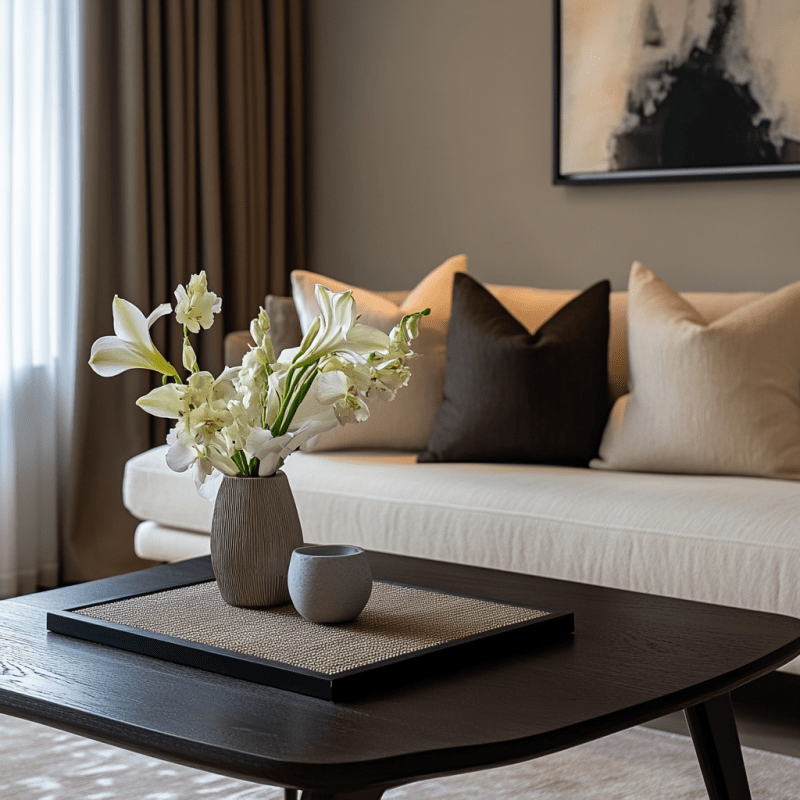
Now that you have a clear picture of your style, it’s time to weave these elements into a cohesive design. This involves thoughtful choices in colours and materials that complement each other.
Choosing a Consistent Colour Palette
A consistent colour palette is key to tying a room together. Pick a few primary colours and a couple of accent hues to create balance. For example, neutral tones with pops of blue and gold can create a serene yet stylish setting.
Remember, the colours you choose should not only appeal to you aesthetically but also evoke the right emotions. Blues can be calming, while reds may energise. Consider how each room is used and select colours that enhance its purpose.
Selecting Complementary Textures and Materials
Textures and materials add depth and interest to a space. Combining soft textiles like wool or velvet with harder surfaces like wood or metal can create a pleasing contrast. Better Homes & Gardens offers advice on mixing materials for a visually engaging result.
Experiment with different combinations to see what feels right. Textures should be as inviting to touch as they are pleasing to the eye. Keep the overall look balanced to avoid overwhelming the senses.
Bringing It All Together
With your palette and materials selected, it’s time to assemble your space. This is where your personal touches truly bring your home to life.
Showcasing Your Favourite Pieces
Your favourite pieces are the heart of your design. Whether it’s an artwork that speaks volumes or a vintage chair that has stood the test of time, these items should take centre stage. Arrange them in ways that naturally draw the eye.
Consider how each piece interacts with the space and with each other. A feature wall, for instance, can be a great backdrop for displaying artwork or a cherished collection.
Incorporating Personal Touches and Memories
Finally, infuse your space with personal touches and memories. Display family photos in beautiful frames or use travel mementoes as decor. These elements add warmth and tell your unique story.
The longer you wait to personalise your home, the longer it remains just a house. Start small by adding items that hold sentimental value. This makes your home not just a place to live, but a reflection of your life and experiences.
Through these steps, your home transforms into a space that is not only aesthetically pleasing but also deeply personal. By embracing your style and preferences, you create a cohesive design that truly reflects your personality.